Off Grid in Dutch Nature with Cabiner
The Ritual of the Off-Grid Trek
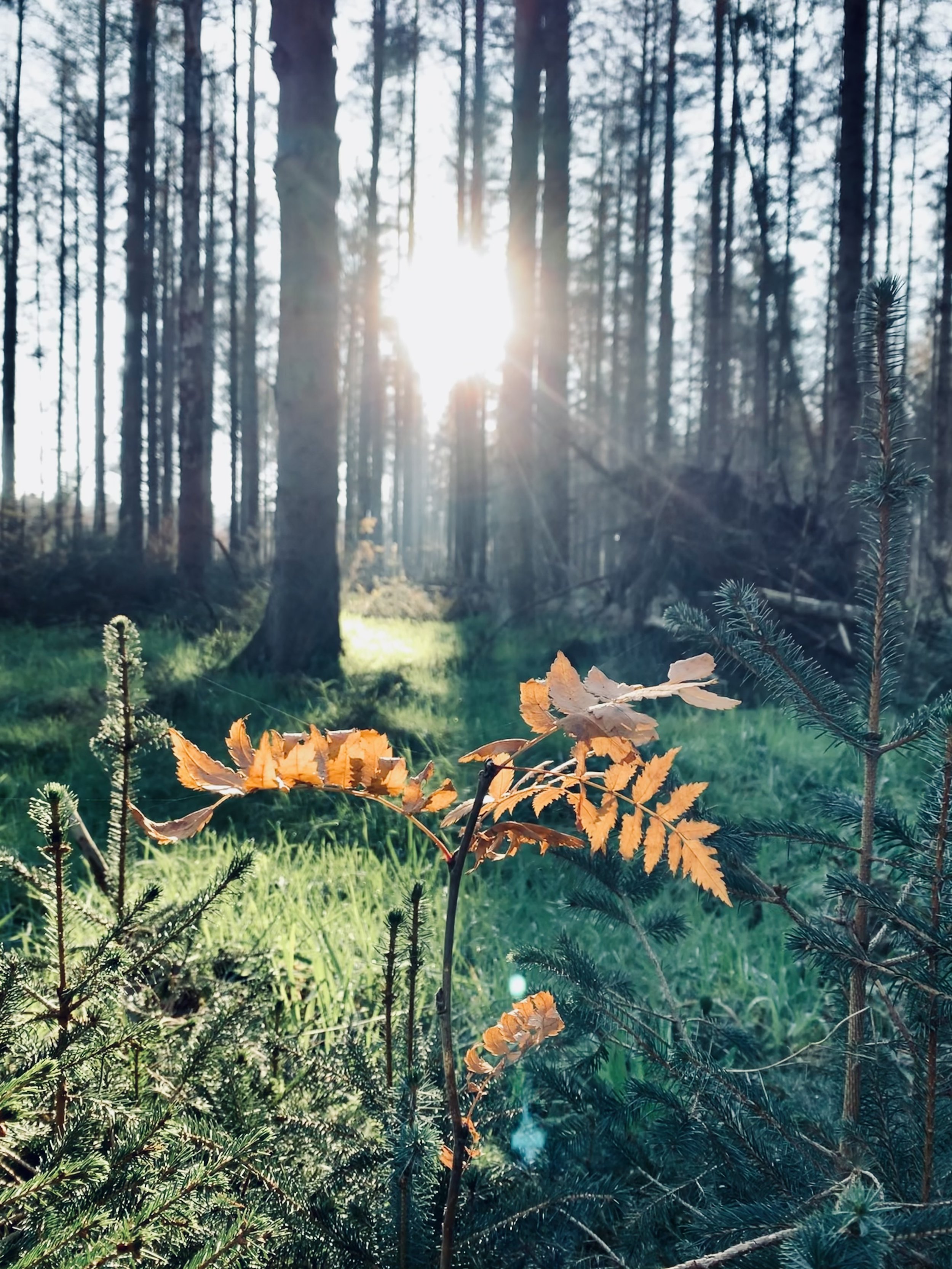
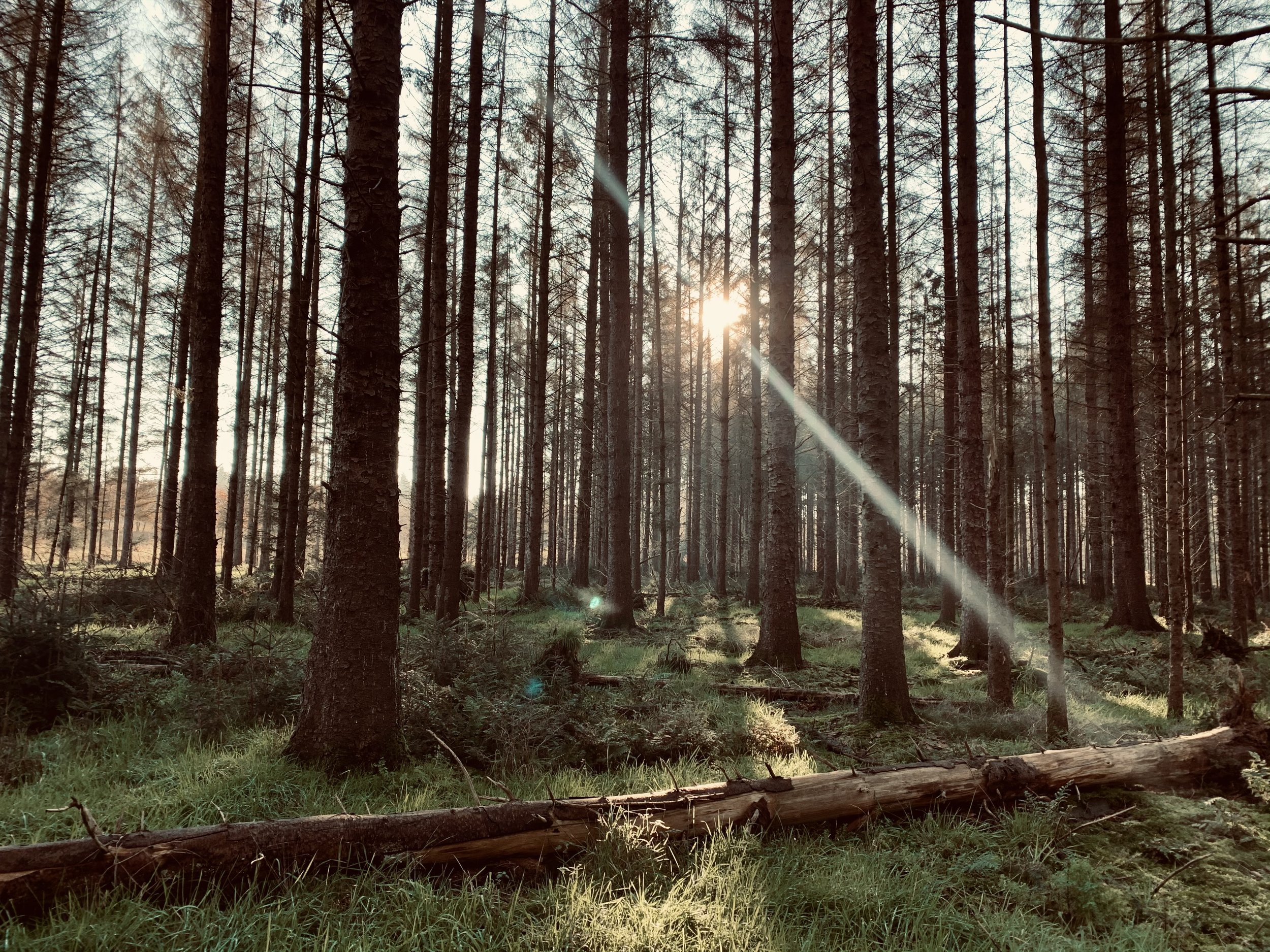
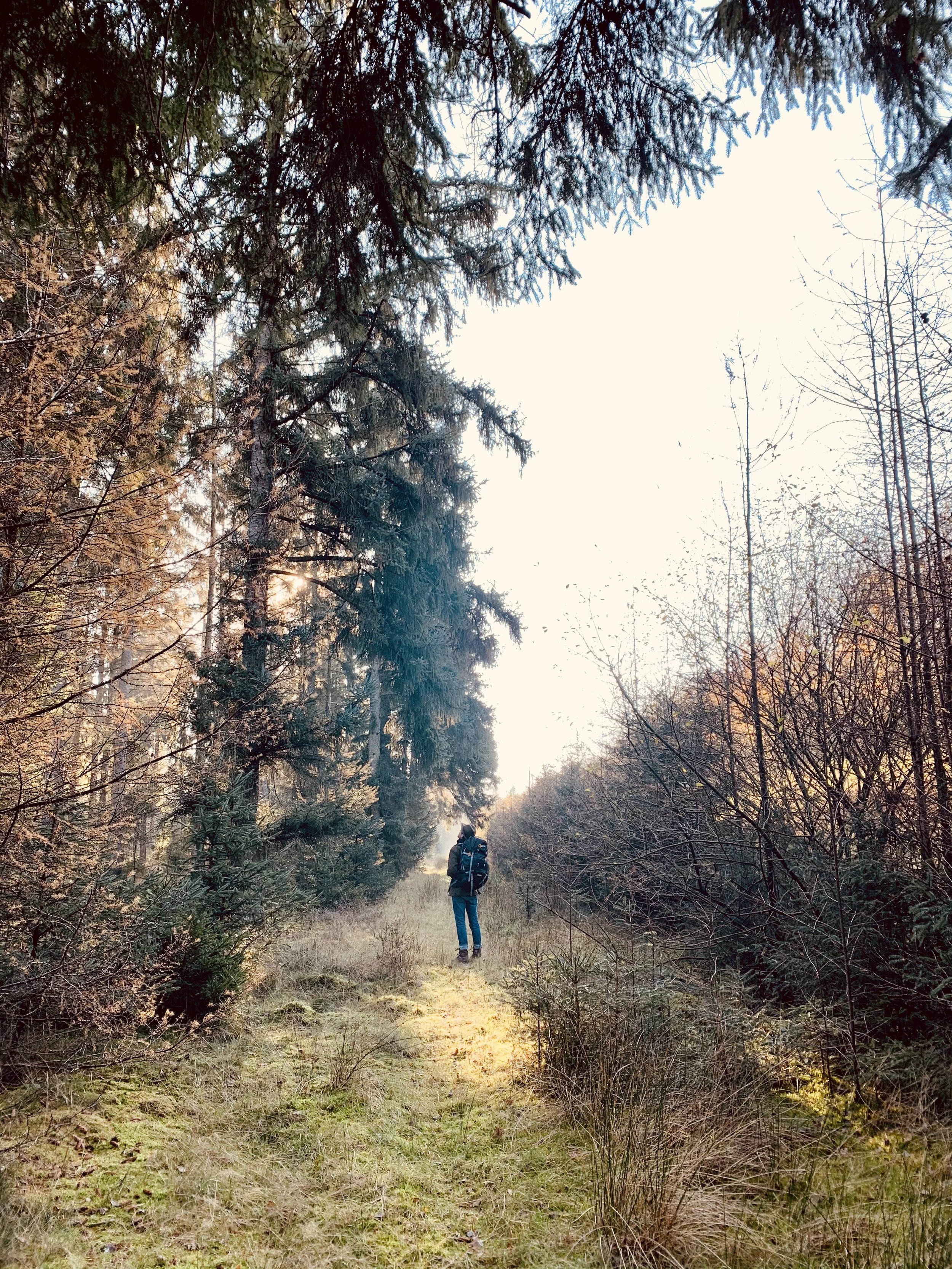
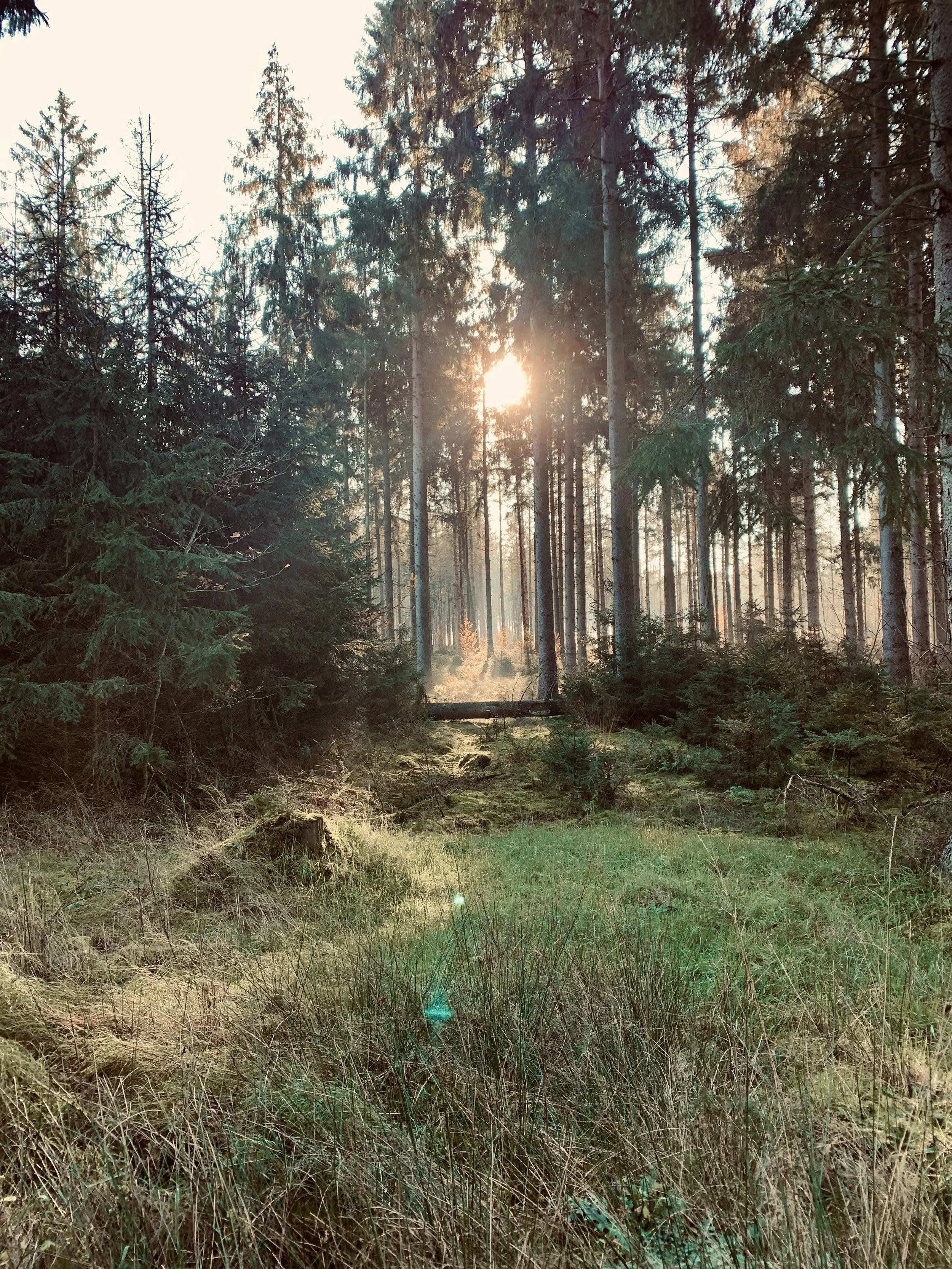
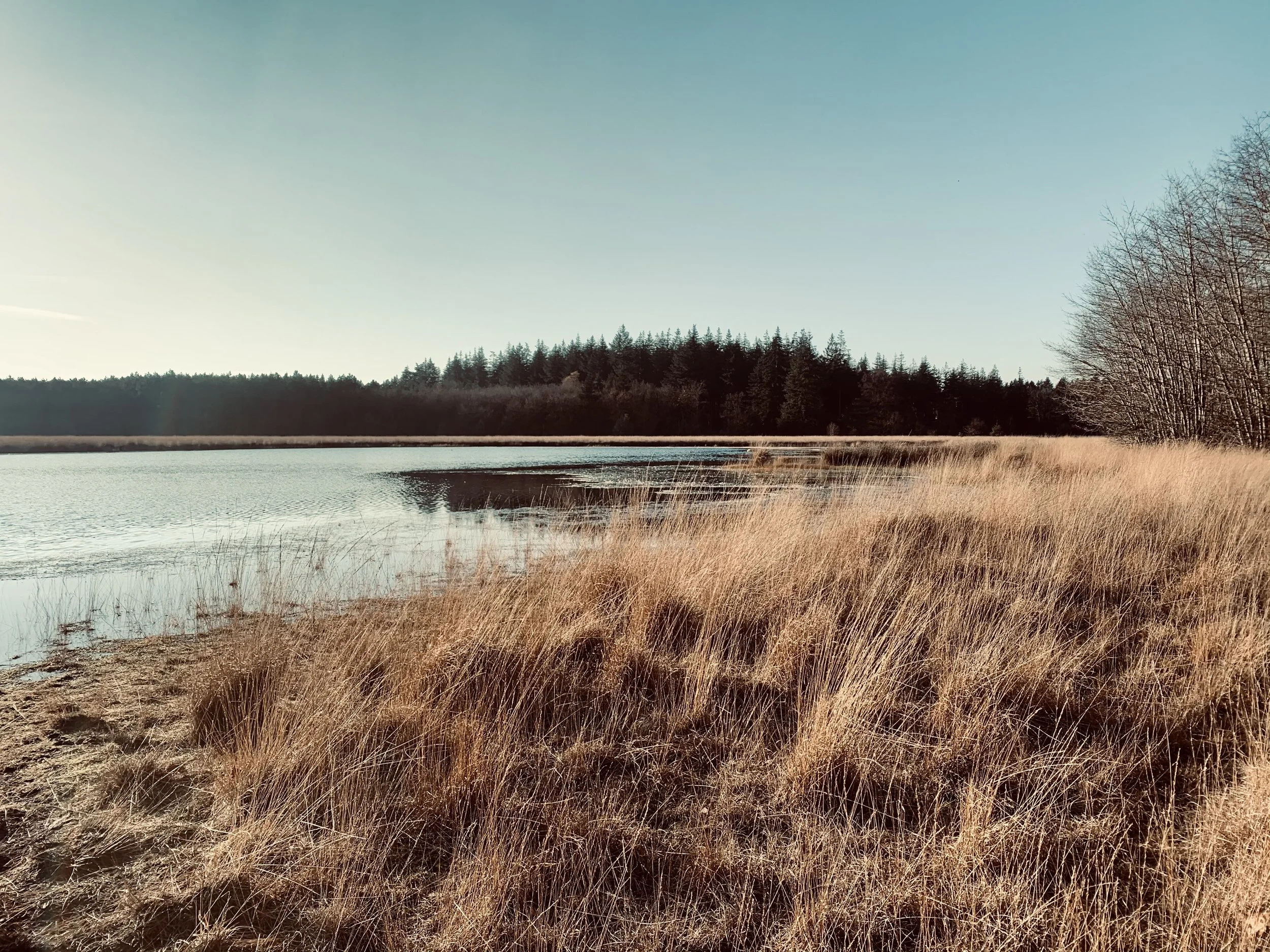
In the whisper-quiet corners of Dutch nature, Cabiner has mapped a rare experience for the modern explorer: the luxury of being genuinely hard to find. Cabiner doesn’t just offer a stay; they offer a journey. Cabiner offers the luxury of disappearance. The only way in is on foot, ensuring that everyone you encounter on the nearby trails is sharing the same intentional, slow-paced headspace. Their cabins are strategically placed across Dutch National Parks (like the Drentsche Aa and Sallandse Heuvelrug) to create a "hut-to-hut" network.
Cabinet is a curated trekking circuit. You can book a multi-day expedition where you hike from one hidden sanctuary to the next, with the landscape changing as the miles accumulate. It is a true immersion into the Dutch wilderness, where the "in-between" isn't just a place—it's a process of slowing down to the speed of the trail.
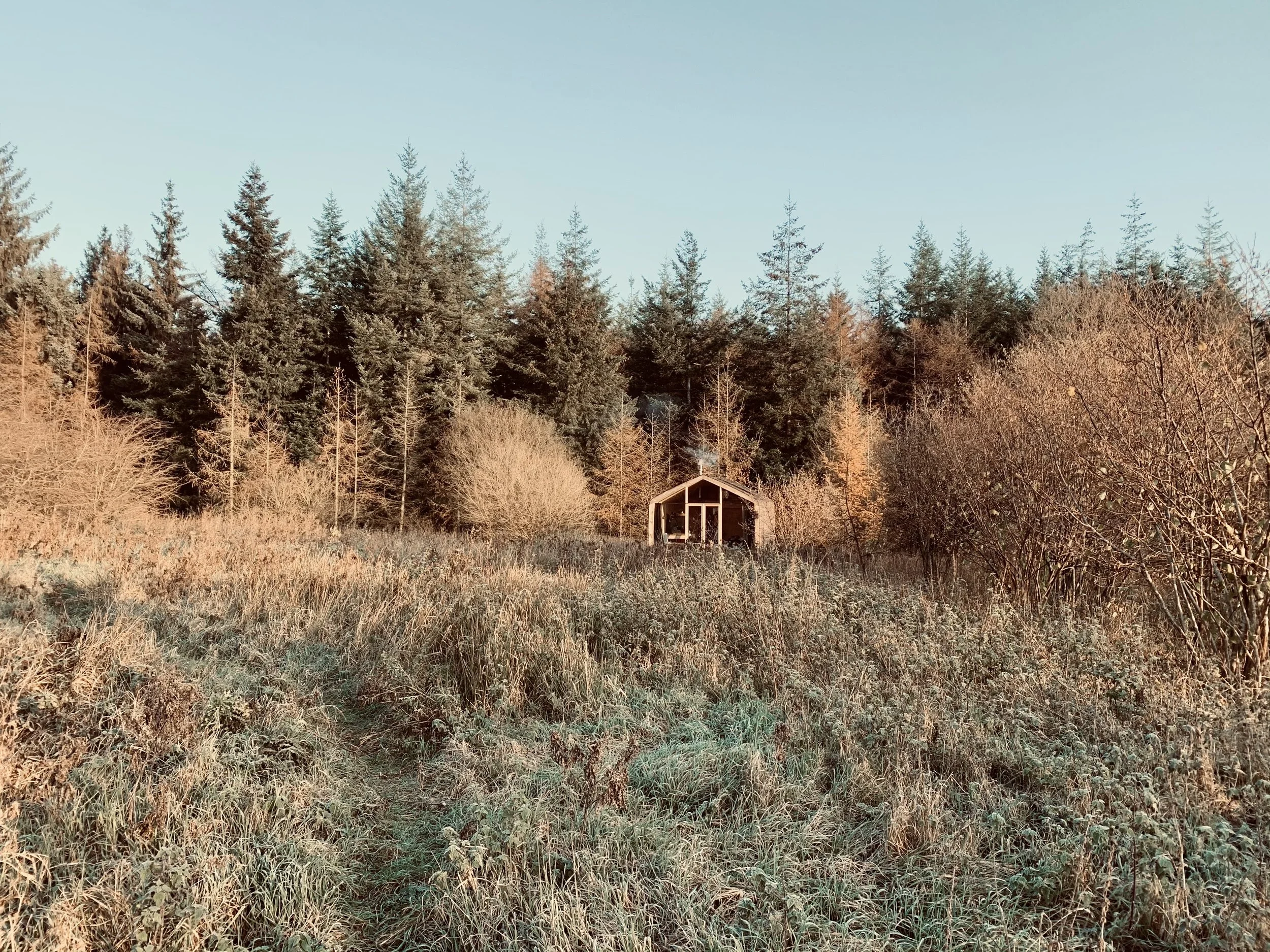
Cabiner, Drentsche Aa
The Grit of the Elements
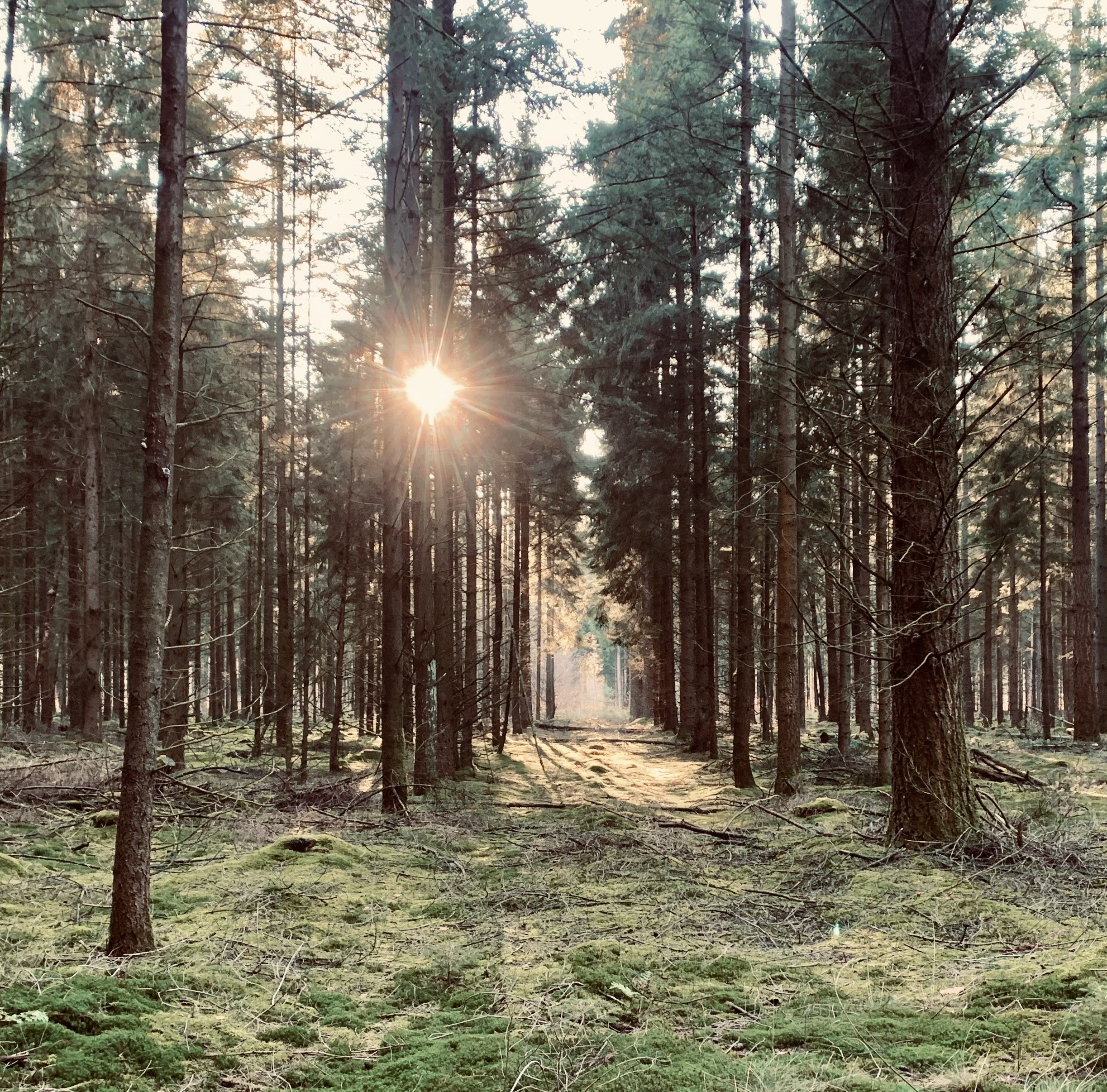
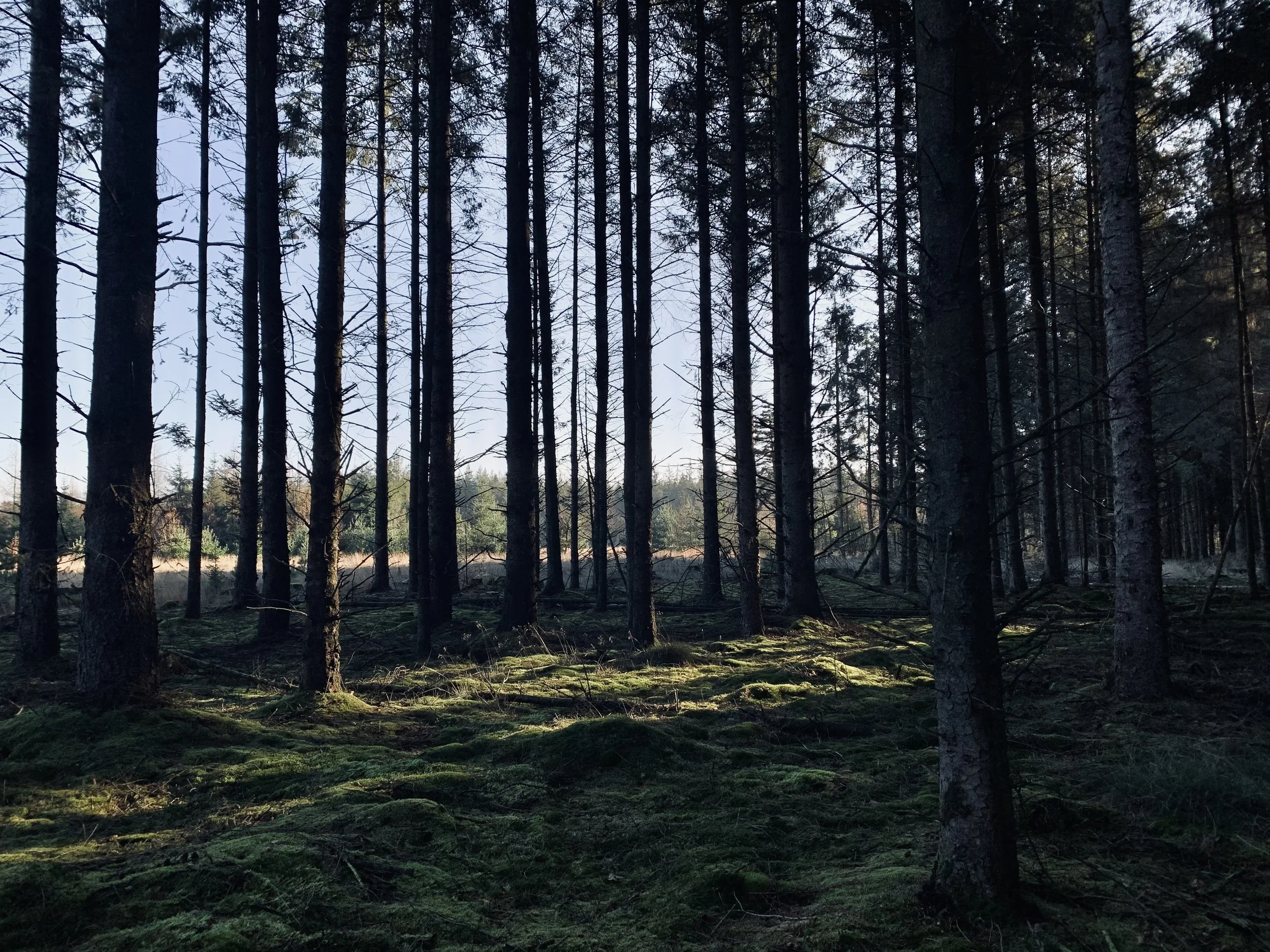
To reach a Cabiner sanctuary, you must first earn it. These cabins are strictly pedestrian-access, tucked away in silent pockets of heath, woodland, and marsh. The necessary dose of grit here is physical and elemental: a >10km trek through unscripted terrain, followed by the rewarding labor of the off-grid life.
There is a primitive logic to the landscape here. You pump your own water, chop your own wood, and stoke the hearth to heat your evening meal. It is a rhythmic, tactile engagement with the wild that clears the mental noise of the city.
Restorative Essentials
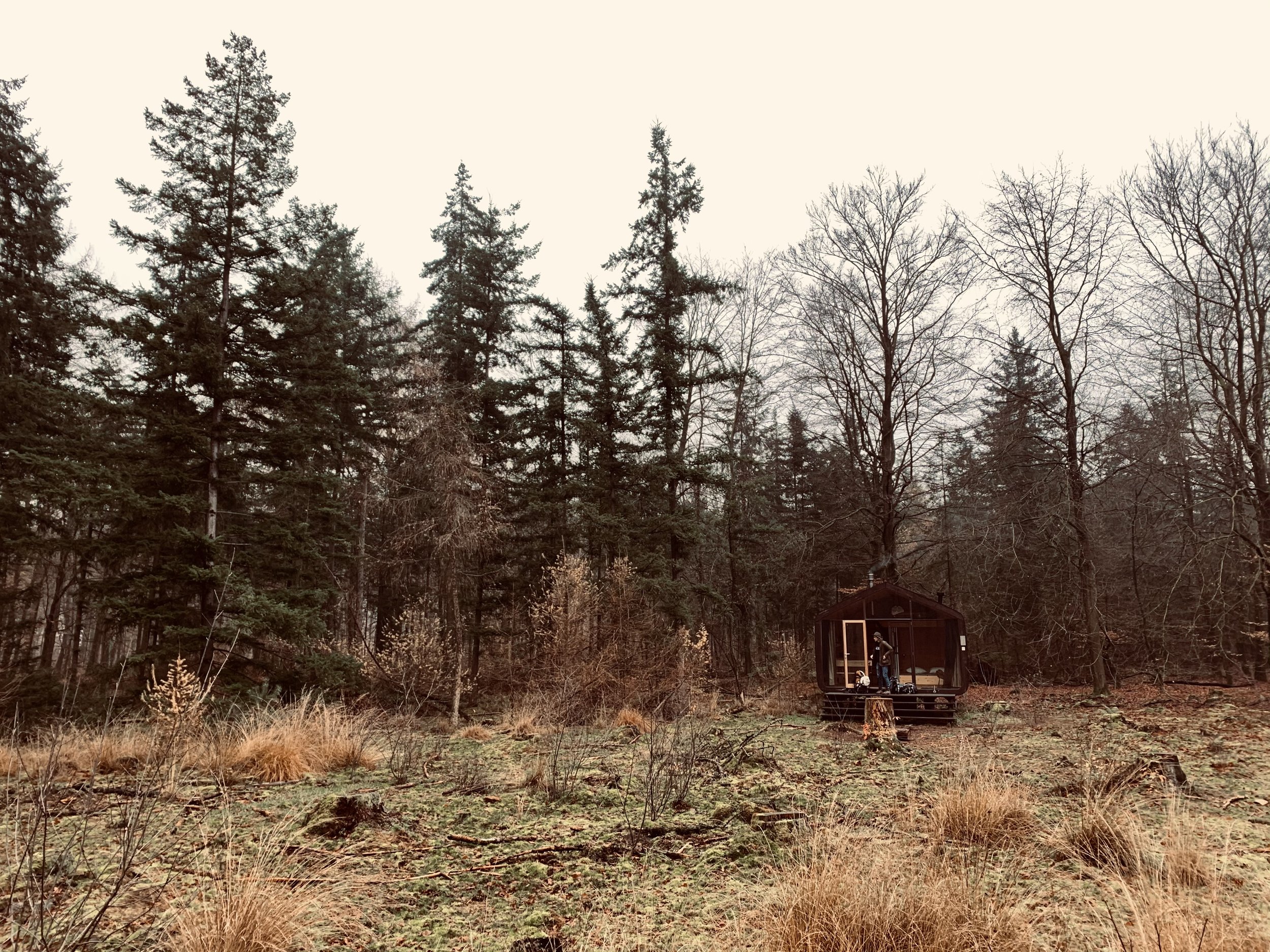
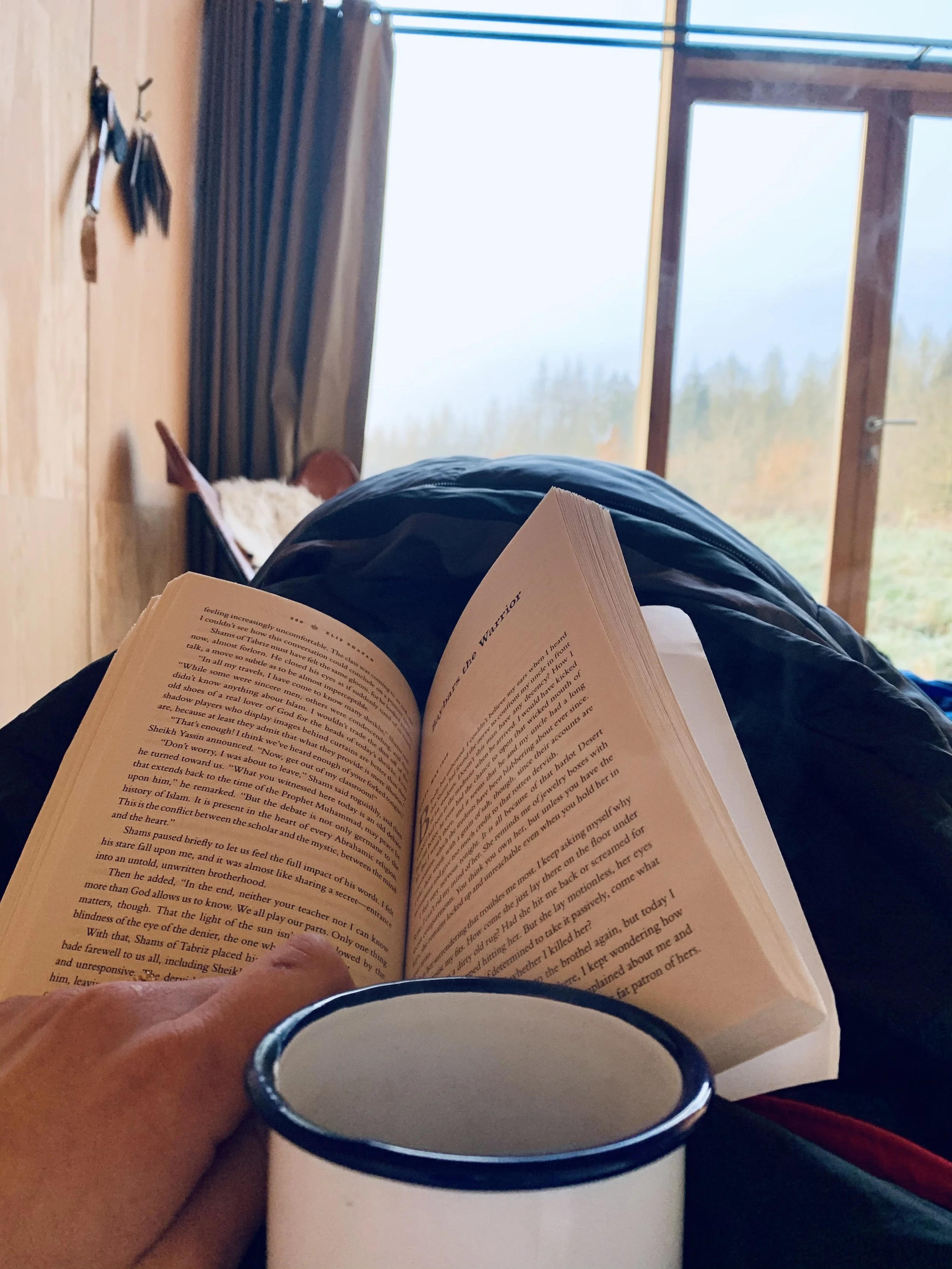
While the lifestyle is simple, the quality is deliberate. The cabins are designed as minimalist viewing platforms—huge glass apertures that filter the sunrise directly onto your pillow.
A stripped-back wooden interior that focuses your attention outward.
High-quality, organic vegetarian meal kits that turn a wood-stove dinner into a gourmet field ritual.
A deep silence that makes a weekend in the Drentsche Aa feel like a month-long expedition.
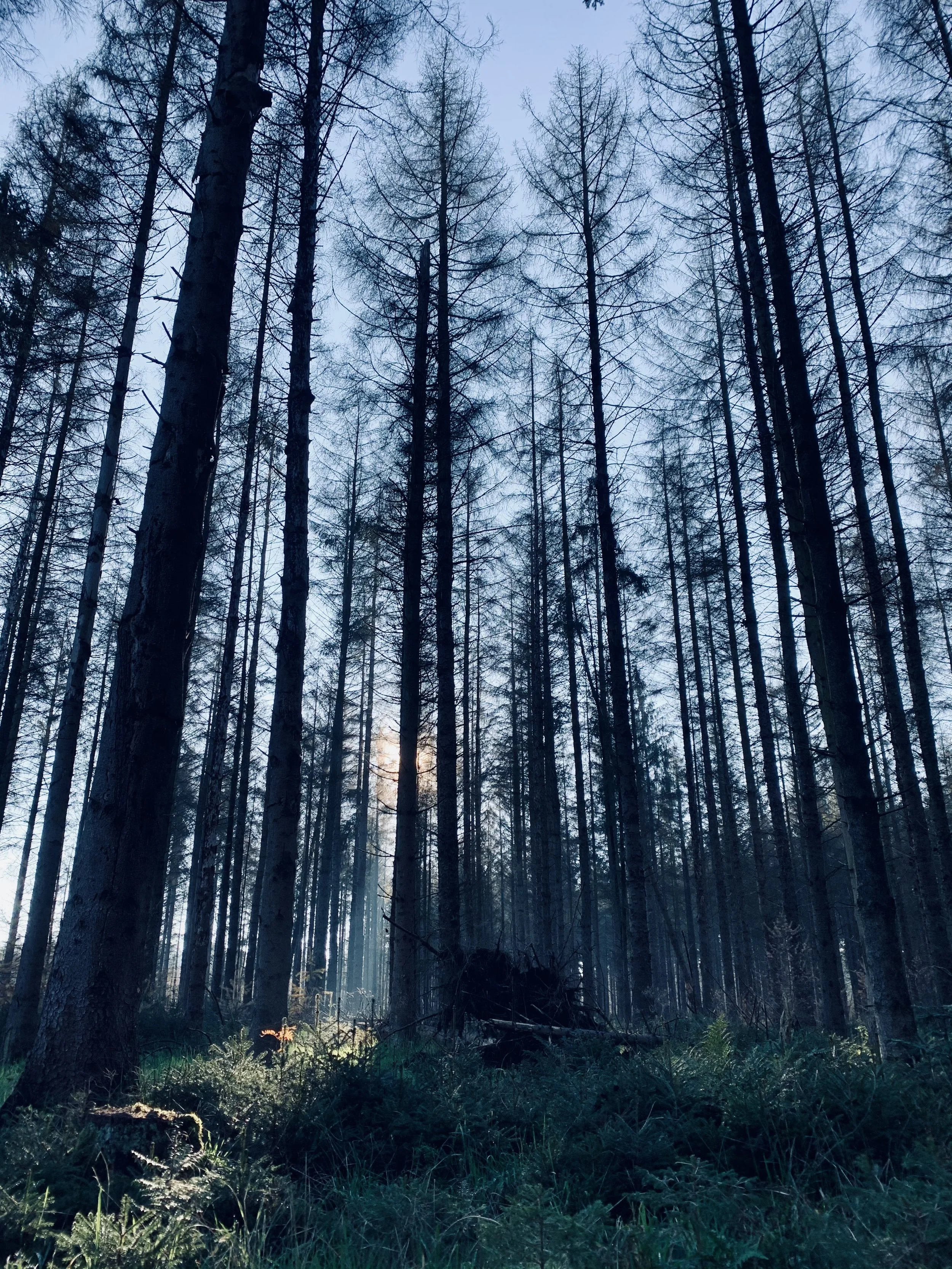
Drentsche Aa
The cabins themselves are sustainable design icons (often based on the Wikkelhouse concept). Made from layers of high-quality cardboard and wood, they are incredibly well-insulated and surprisingly refined inside. Large, panoramic glass walls act as a "living lens." You aren't just looking at the woods; you are encased in them. The interiors are stripped of clutter—just clean wood, a high-end wood stove, and a comfortable sleeping platform.
Cabiner operates on a "Self-Sufficient" model. This is where the necessary dose of grit comes in:
Water: You pump your own water from a groundwater well located outside the cabin.
Heat: The wood stove is your only source of warmth and your primary cooking surface. Splitting the kindling and managing the fire becomes the rhythmic heartbeat of your stay.
Energy: Small solar panels provide just enough light for the evening, forcing a digital detox and a reconnection with the natural light cycle.
To elevate the experience from "camping" to "refined," Cabiner offers Organic Provision Crates. These are high-quality, vegetarian meal kits designed to be slow-cooked on the wood stove. Think pearl barley risottos, seasonal root vegetables, and artisanal snacks. It’s "Field-to-Table" dining that you prepare yourself in the silence of the forest.

CARTO’s Recommendation
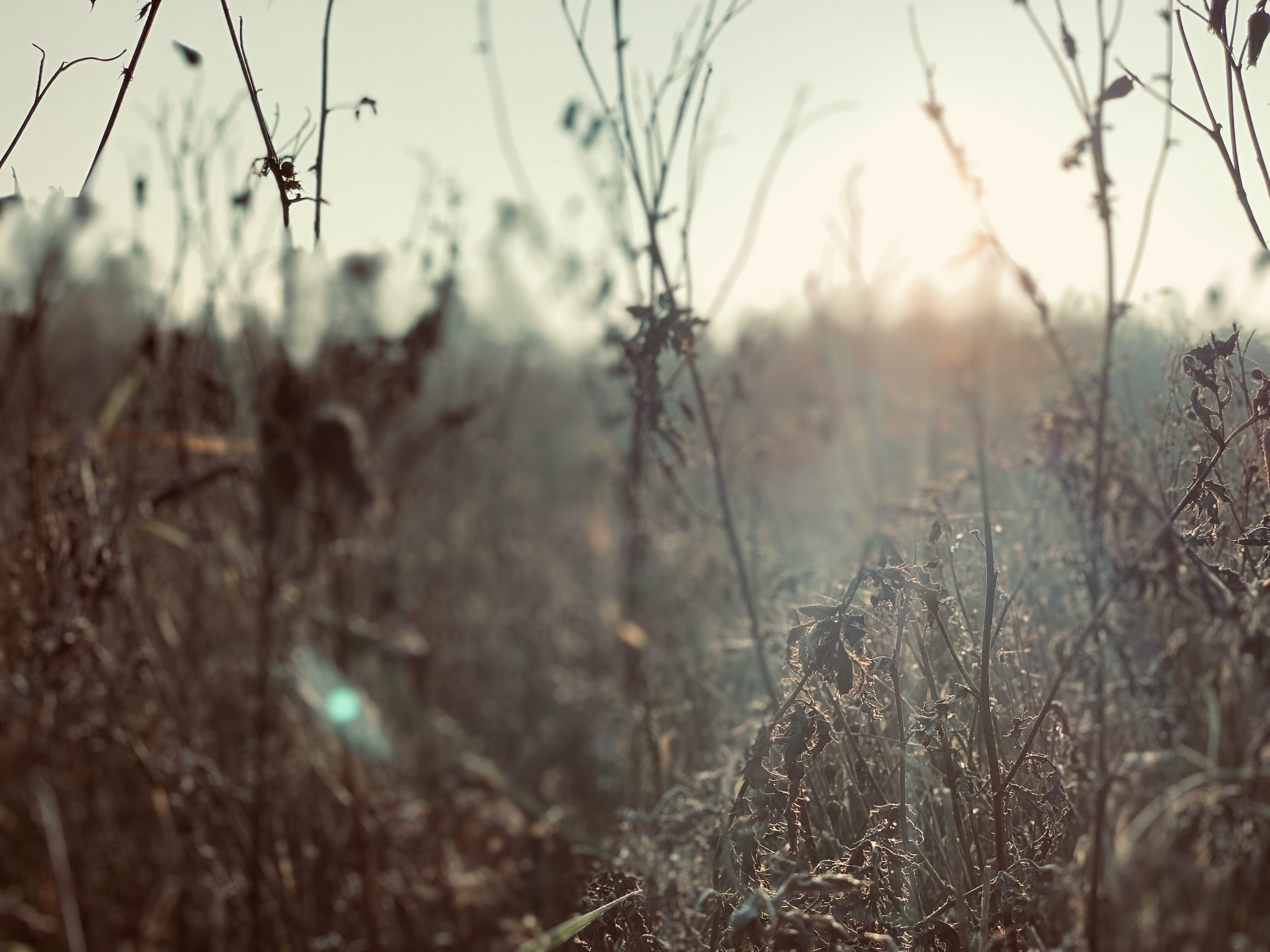
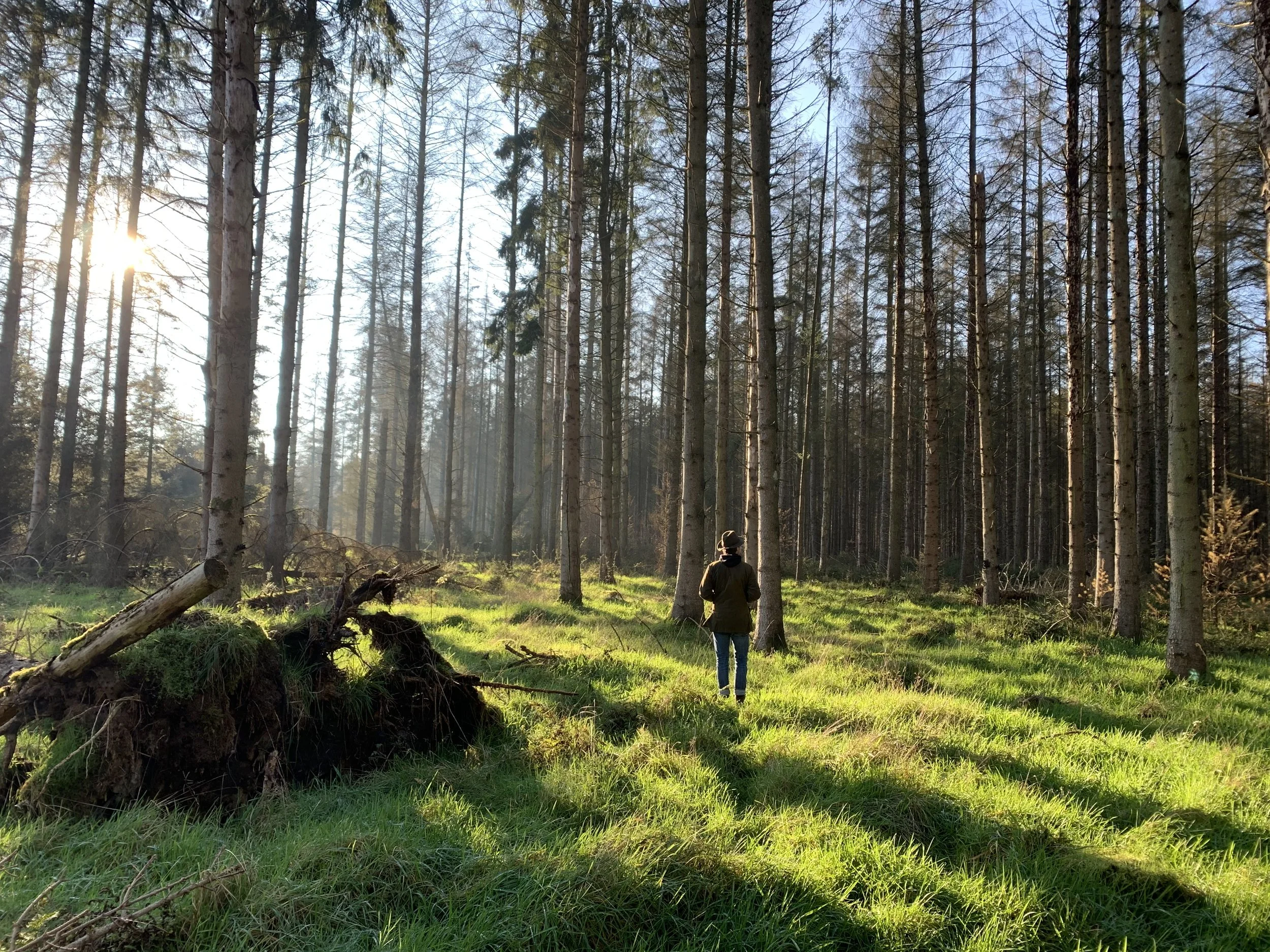
Choose the longer, scouted routes. The true "Secret Europe" exists in the quietest pockets between the cabins, where the variety of the Dutch landscape—from ancient peat to dense forest—unfolds in total solitude.
Pro-Tip: While Cabiner provides the structure, you bring the soul. Pack a high-end torch, a bottle of honest vintage wine, and quality wool layers. If you are venturing out during the vernal or autumnal shift, the evening chill is the perfect excuse to keep the fire high.